
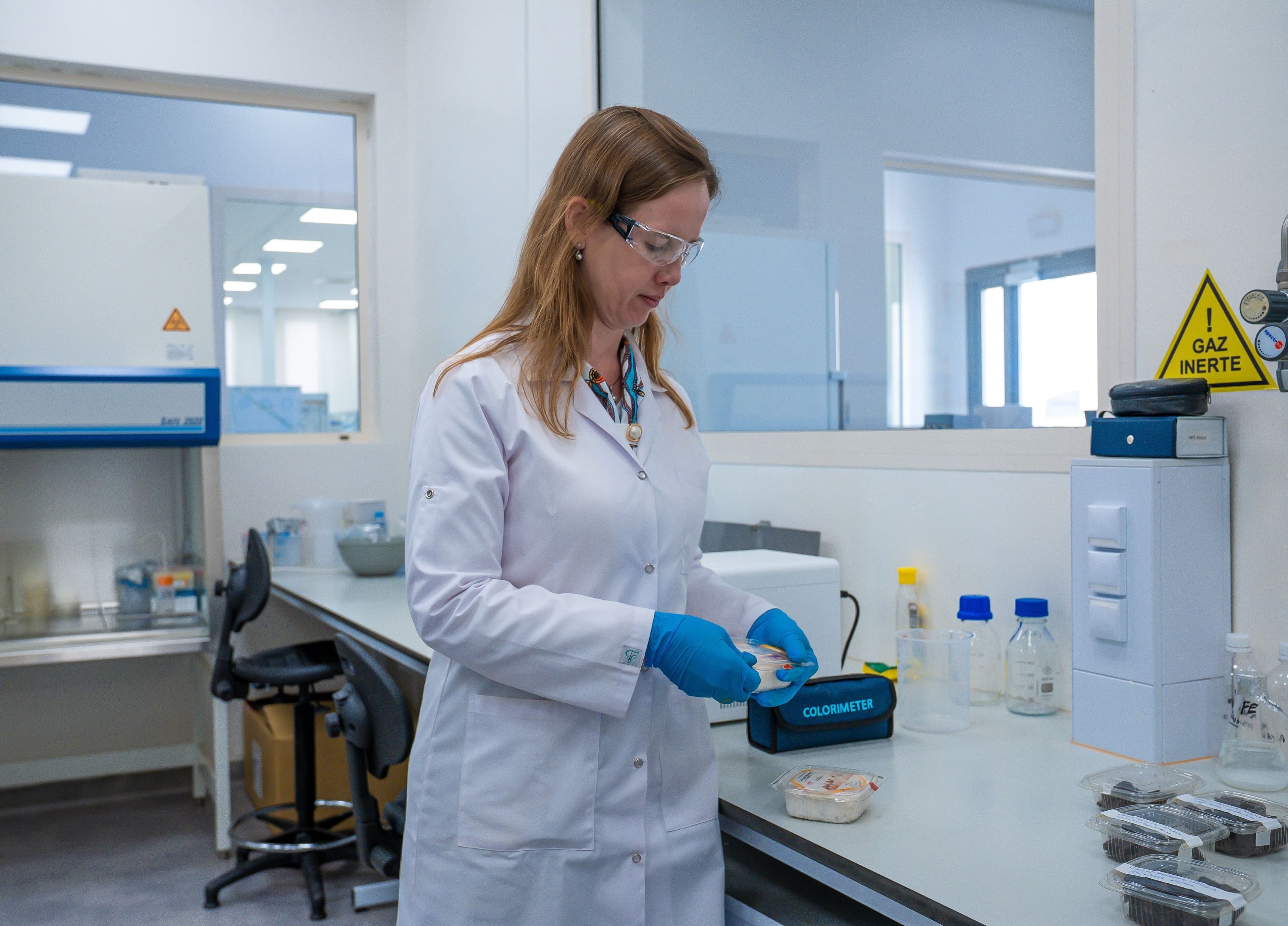
AGRI-FOOD
The Food Technology Laboratory specializes in developing innovative food products from local raw materials, leveraging the region’s rich biodiversity. FODMAP-friendly formulations are crafted to meet the needs of consumers with digestive sensitivities, while novel processing methods based on emerging technologies are explored to enhance quality, safety, and sustainability.
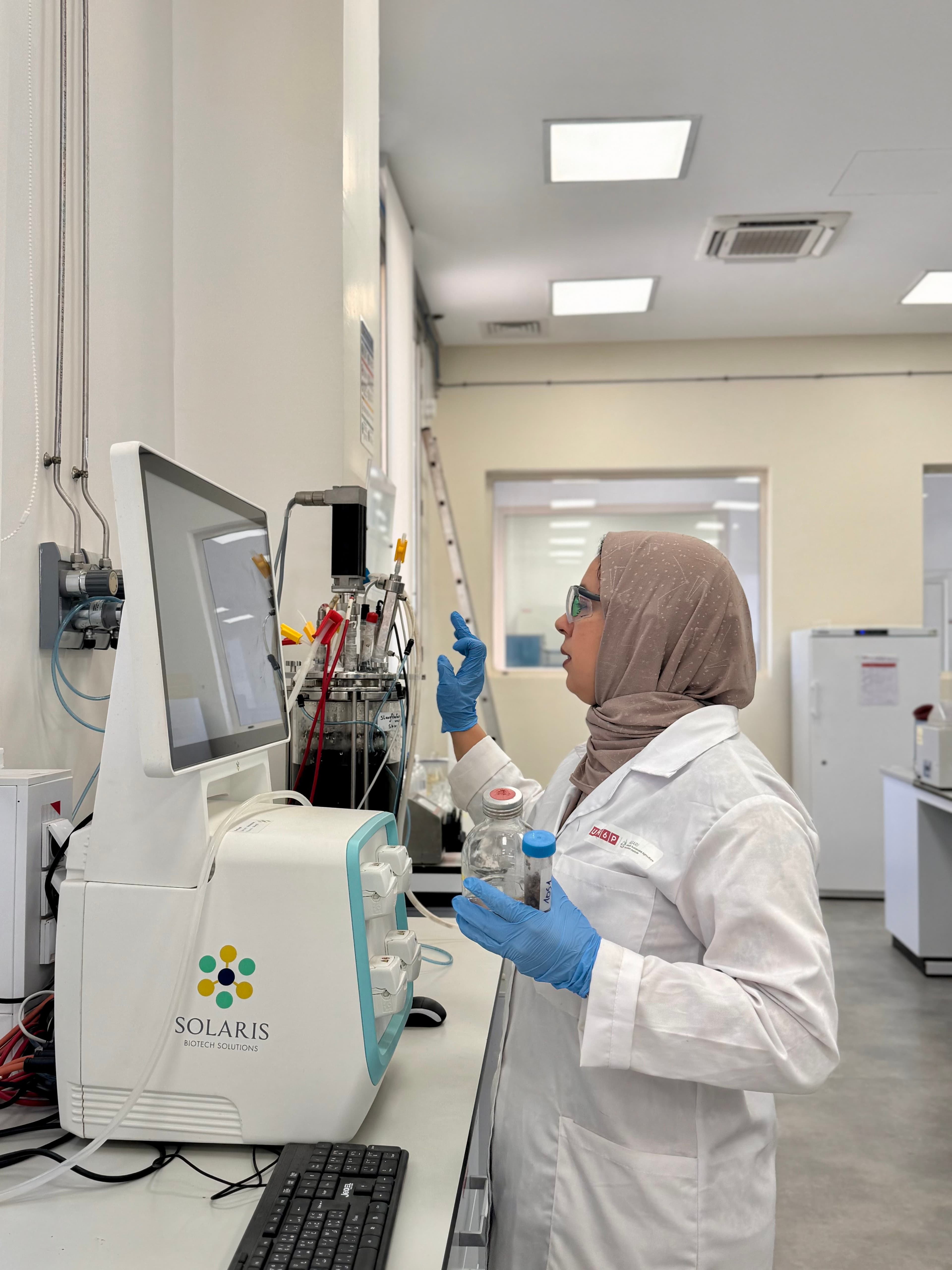
BIOPROCESS ENGINEERING
Our bioprocess engineering laboratory focuses on the development and optimization of biological processes to produce valuable compounds, such as biofuels, biofertilizers, and enzymes. Through the integration of biology, chemistry, and engineering principles, we aim to design sustainable and efficient processes that harness the power of living organisms to meet society's needs while minimizing environmental impact.
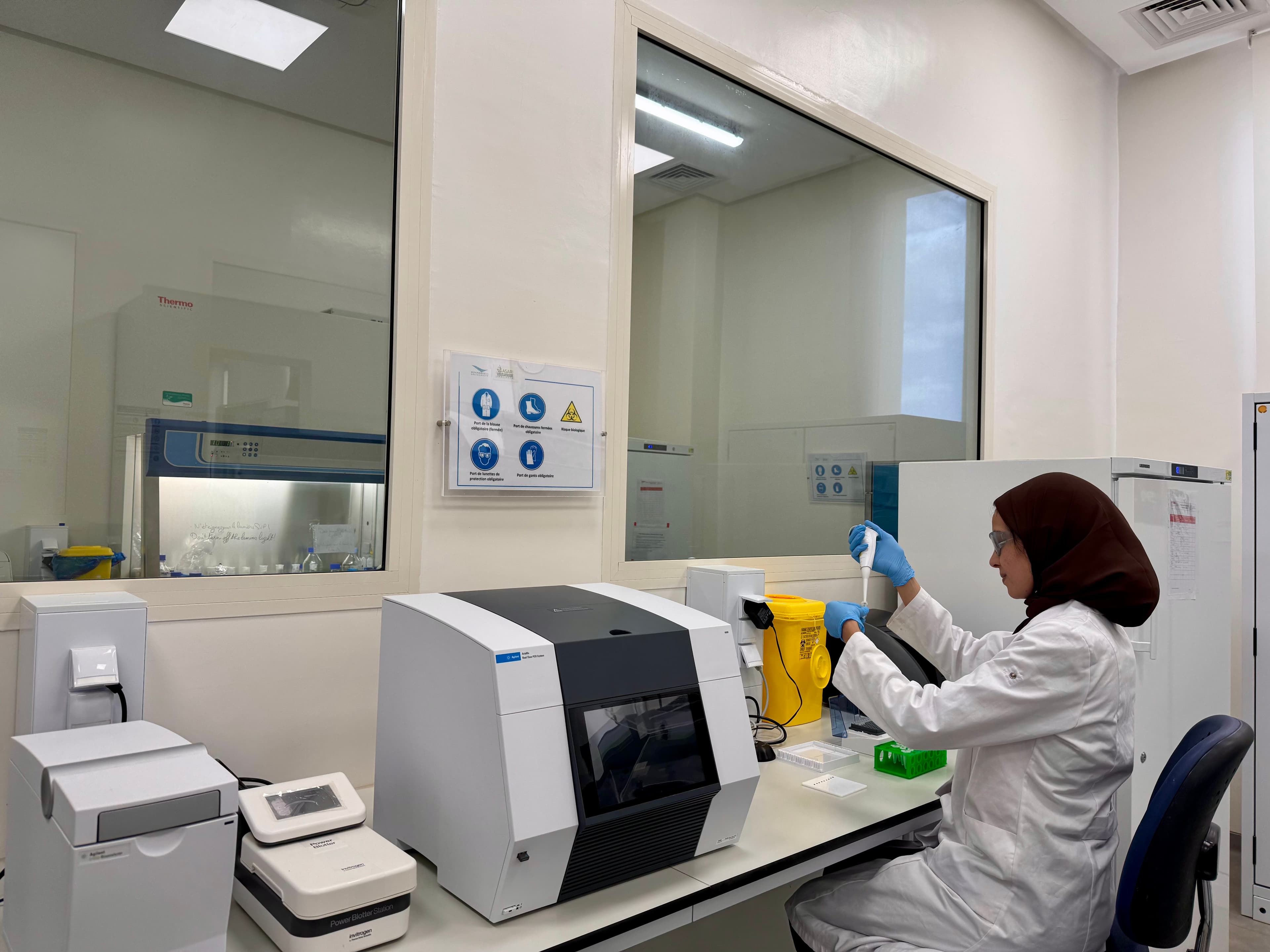
BIOCHEMICAL & MOLECULAR BIOLOGY
Our Biochemical and Molecular Biology Laboratory is dedicated to unraveling the complexities of living organisms at the molecular level. We employ cutting-edge techniques and technologies to investigate fundamental biological processes, with a focus on molecules of interest and their interactions with living cells. Our interdisciplinary team of researchers is committed to advancing knowledge and driving scientific discovery in the fields of biochemistry and molecular biology.
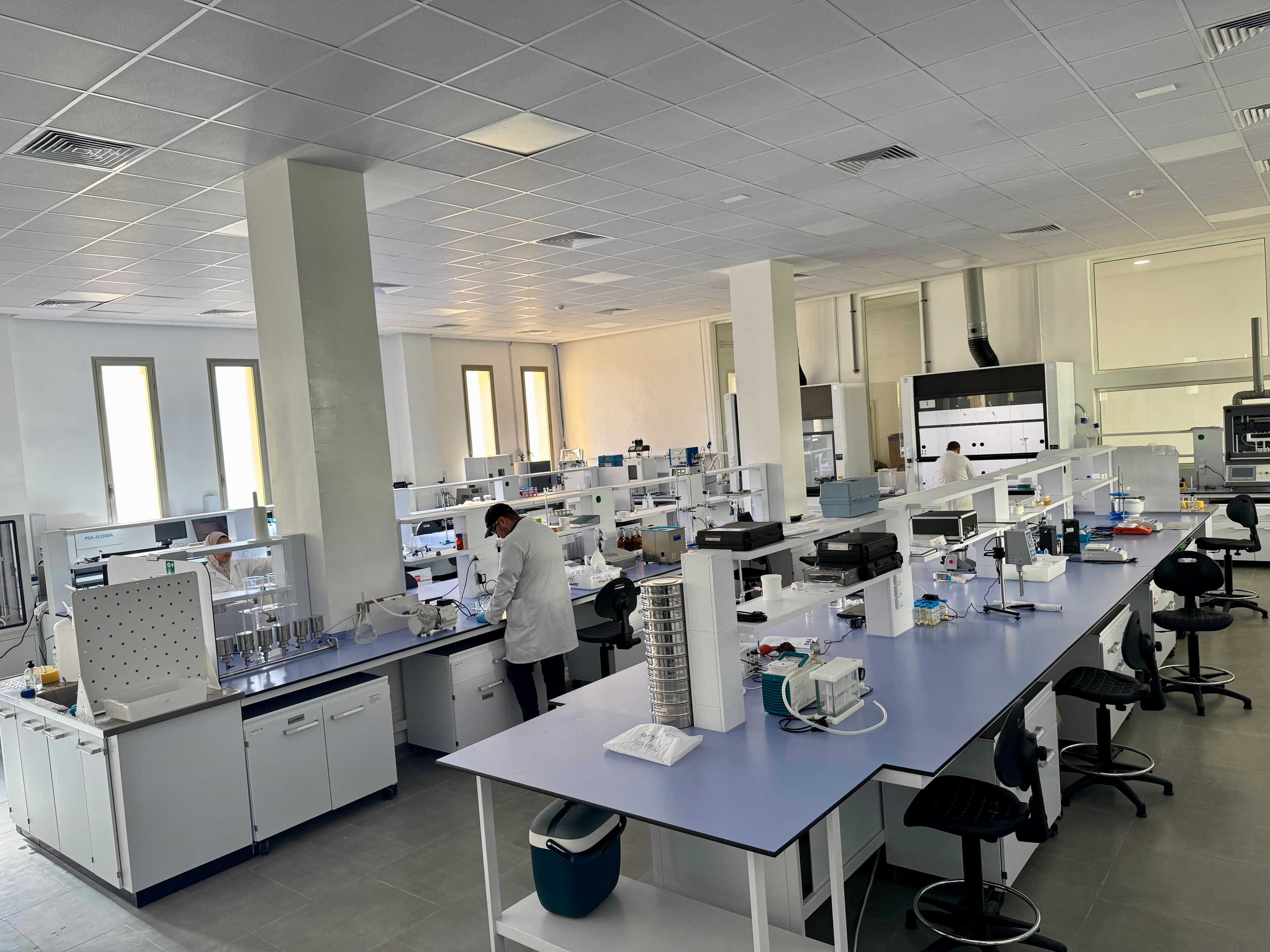
WATER & ENERGY
In the Water & Energy Lab we develop sustainable, integrated solutions at the Water-Energy-Food-Environment nexus, tailored to the challenges of arid and semi-arid regions, particularly in southern Morocco. The Water Group focuses on advanced treatment technologies such as capacitive deionization (CDI), renewable-powered desalination, solar-driven photocatalysis, and advanced oxidation processes. In addition, it works on wastewater valorization, pollution control in groundwater and coastal areas, and circular approaches for brine and solid waste management. The Energy Group addresses the intermittency and storage challenges of renewables, the high energy cost of desalination, and the specific needs of desert agriculture. Key research areas include thermal energy storage (e.g. sand batteries), photovoltaic system optimization, energy-efficient greenhouses, and sustainable sand-to-silicon conversion.
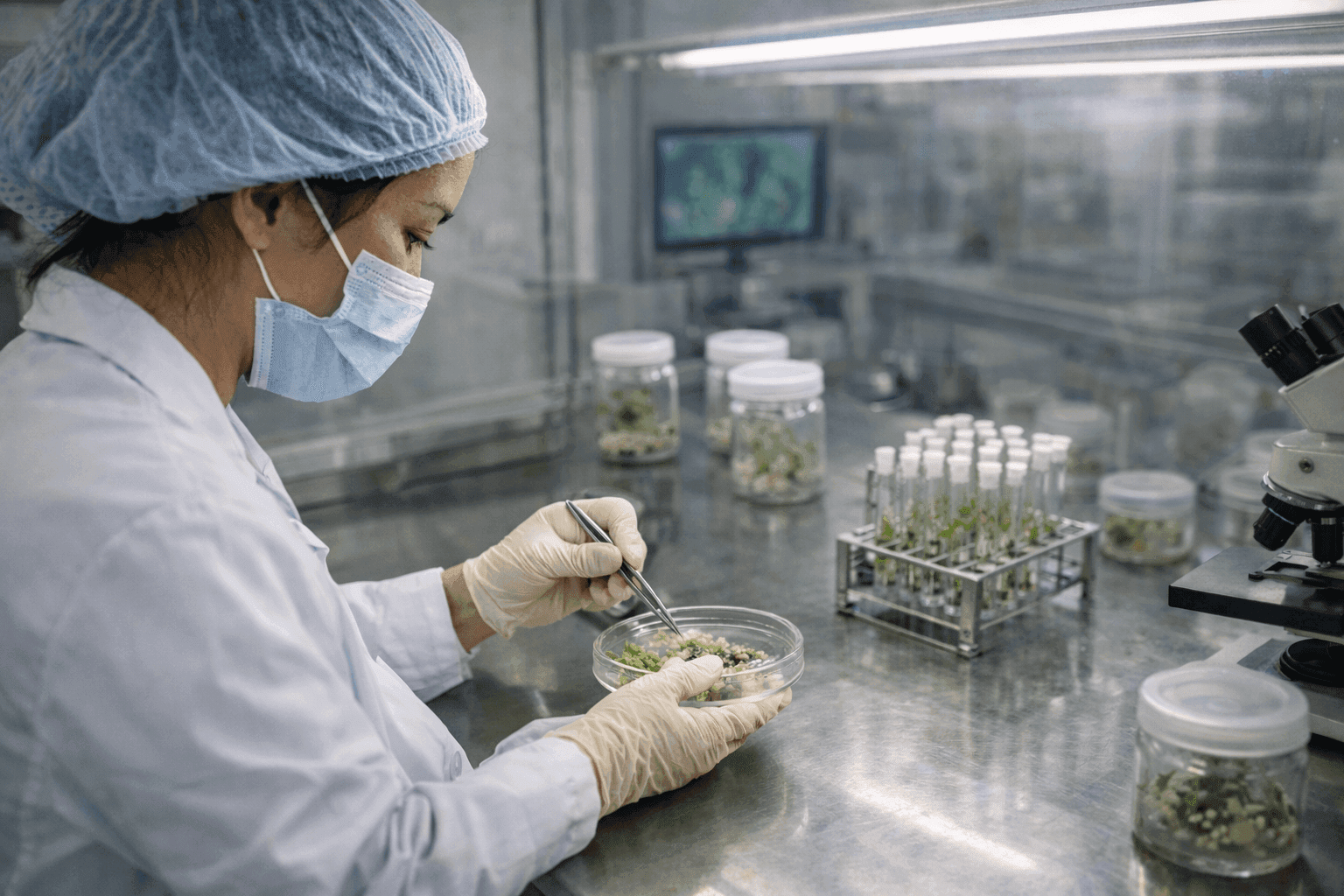
TISSUE CULTURE
Our Plant Tissue Culture Laboratory serves as a biotechnology platform for the in vitro cultivation and conservation of plant tissues and cells under controlled and aseptic conditions, independent of the season. Through advanced micropropagation techniques and metabolic engineering, we support the rapid multiplication of high-value, stress-tolerant, and disease-free plant material.
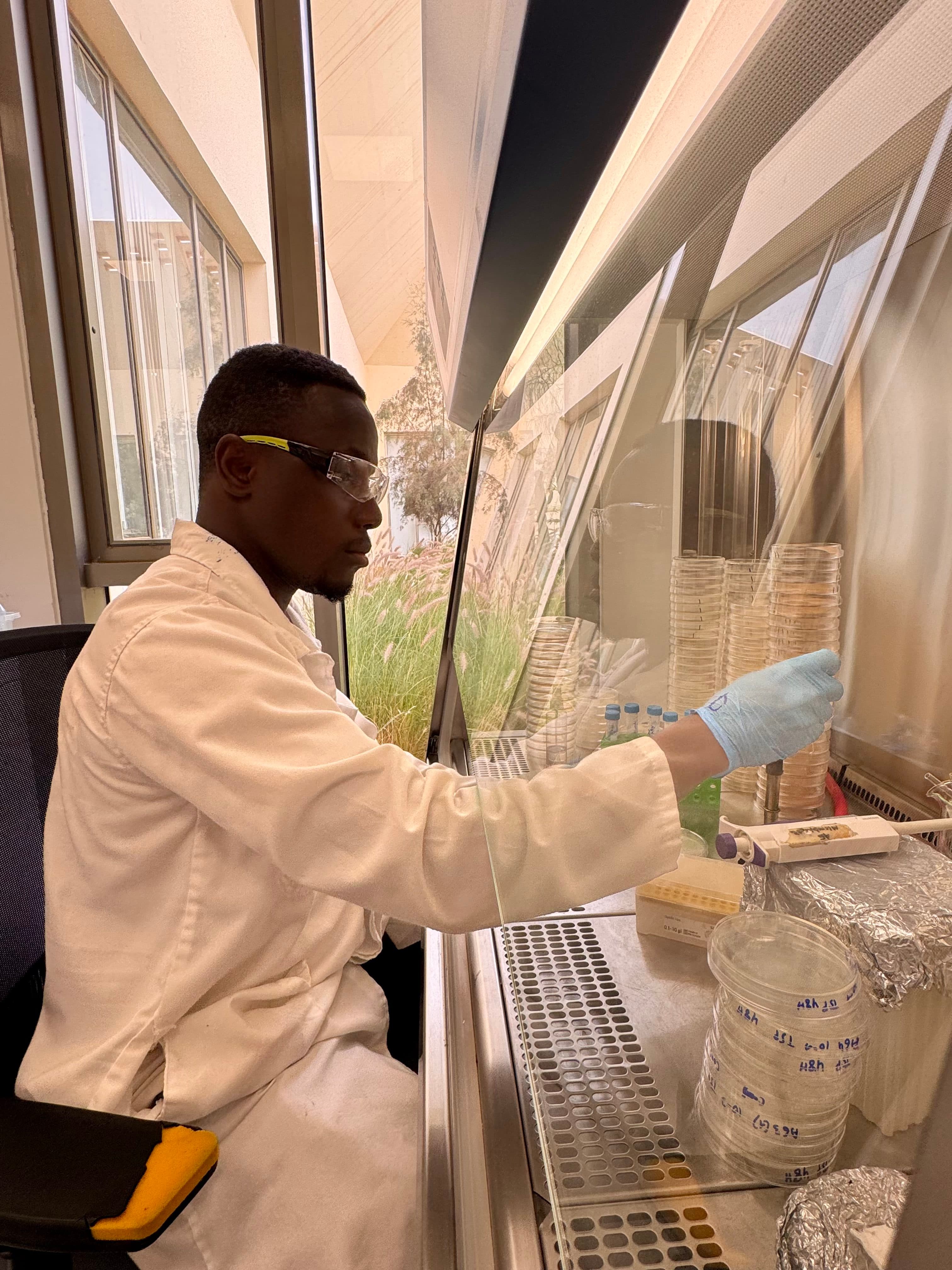
MICROBIOLOGY
Our microbiology laboratory is dedicated to the study of microorganisms, including bacteria, viruses, fungi, and parasites. Through cutting-edge research and innovative techniques, the researchers explore the diverse roles these organisms play in health, disease, and the environment as well as their potential in bioenergy production. Our goal is to advance scientific knowledge and develop new solutions for a sustainable agriculture.
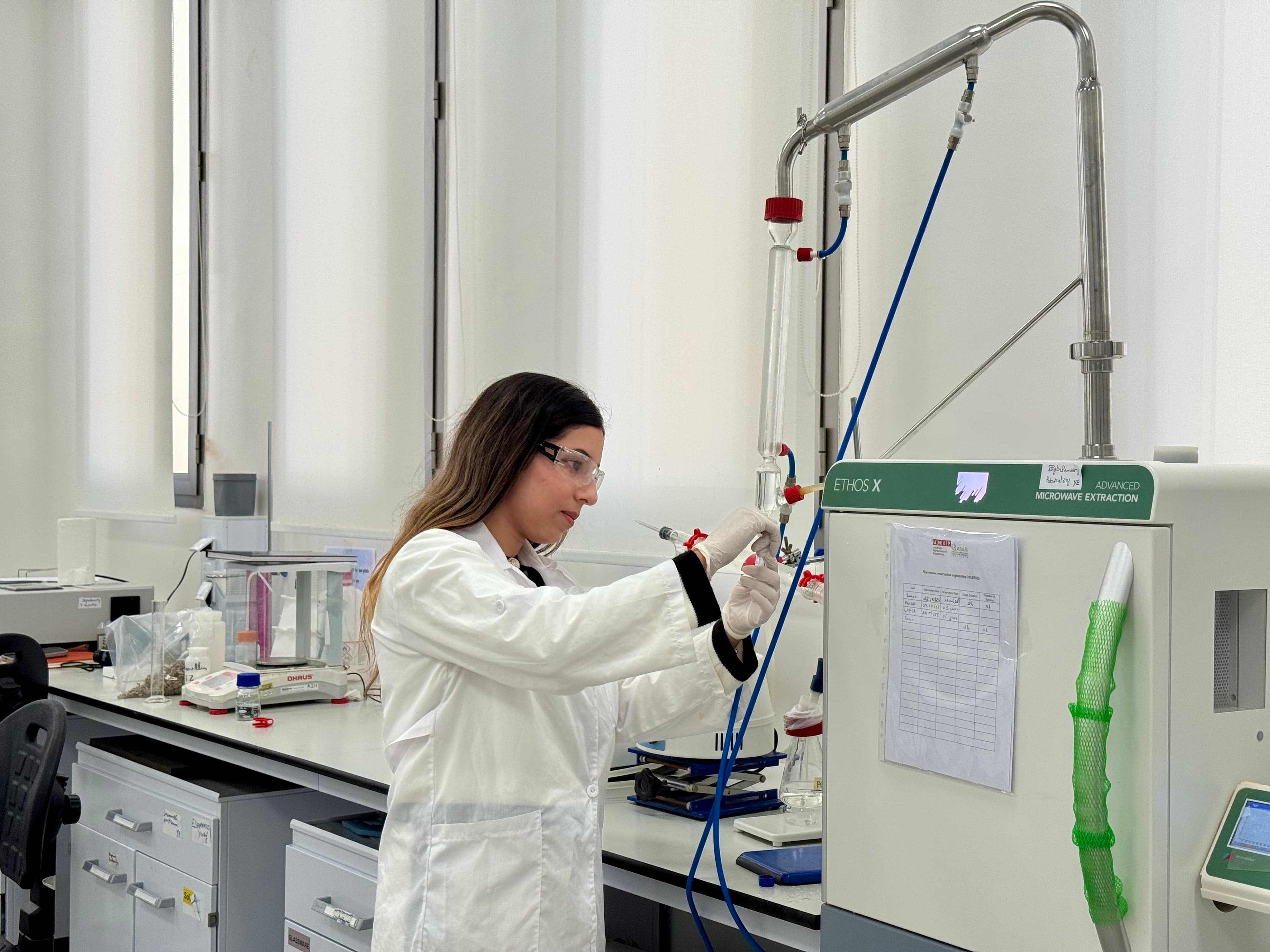
PHYTOCHEMISTRY
Our phytochemistry laboratory focuses on the extraction, identification, and characterization of bioactive compounds derived from medicinal and aromatic plants. Through advanced analytical methods and chemistry, we investigate the molecular diversity of plant metabolites and their potential applications in health, cosmetics, and sustainable agriculture. By bridging traditional knowledge and modern science, our research aims to uncover high-value phytochemicals and contribute to the development of innovative, plant-based solutions. The lab is equipped with all the required infrastructure for the formulation and testing of different natural-based products (creams, serums, etc.).
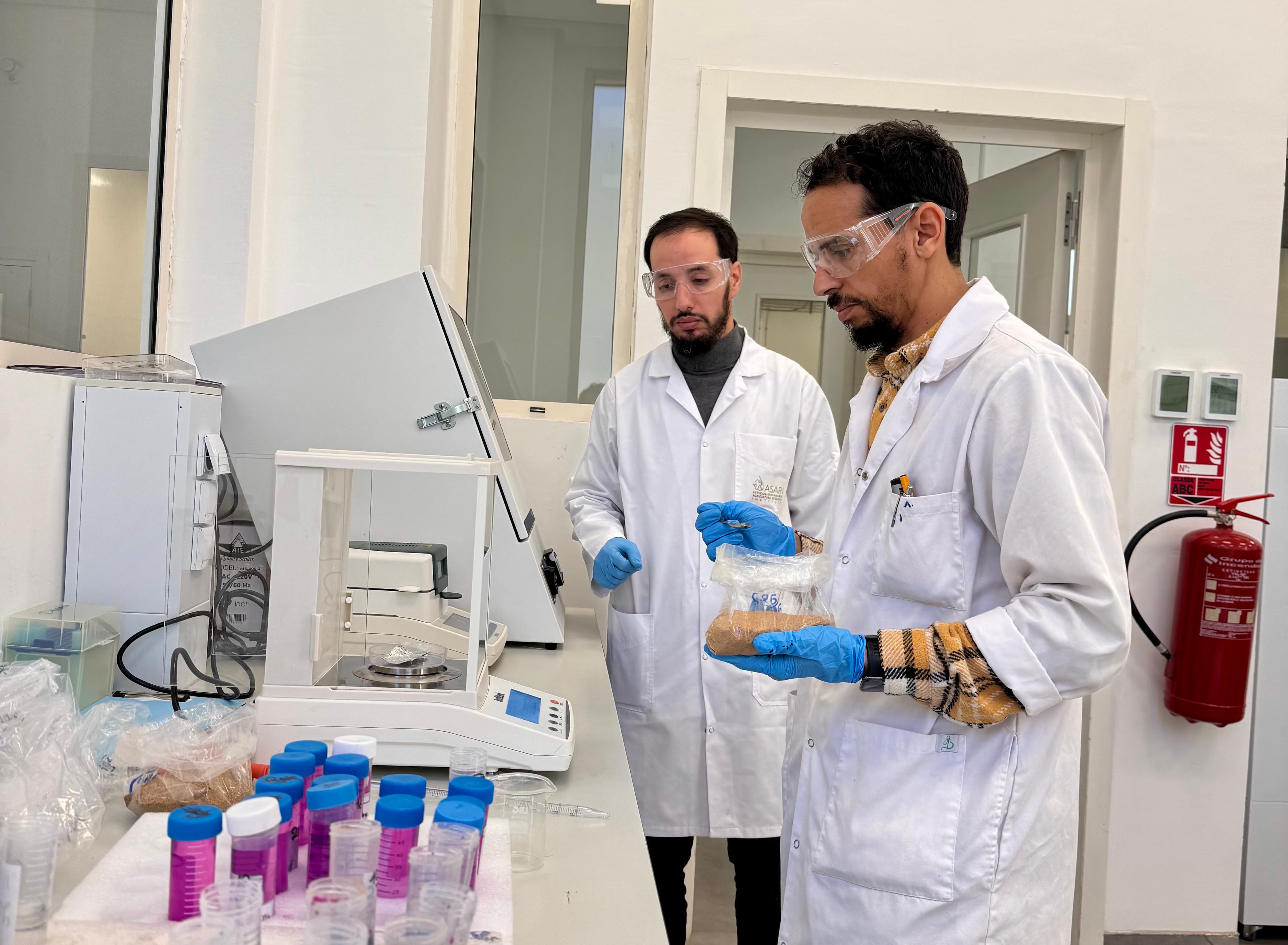
FORAGE ANALYSIS
Our Forage Analysis Laboratory focuses on the comprehensive evaluation of forage quality, nutritional value, and digestibility to support sustainable livestock production systems. Through advanced analytical methods assessing parameters such as dry matter, protein content, fiber fractions, mineral composition, and energy value, we generate reliable data to optimize feed formulation and animal performance. By integrating animal nutrition science, agronomy, and laboratory analytics, the laboratory aims to improve forage management practices, enhance feed efficiency, and strengthen resilient animal production systems in arid and semi-arid regions.
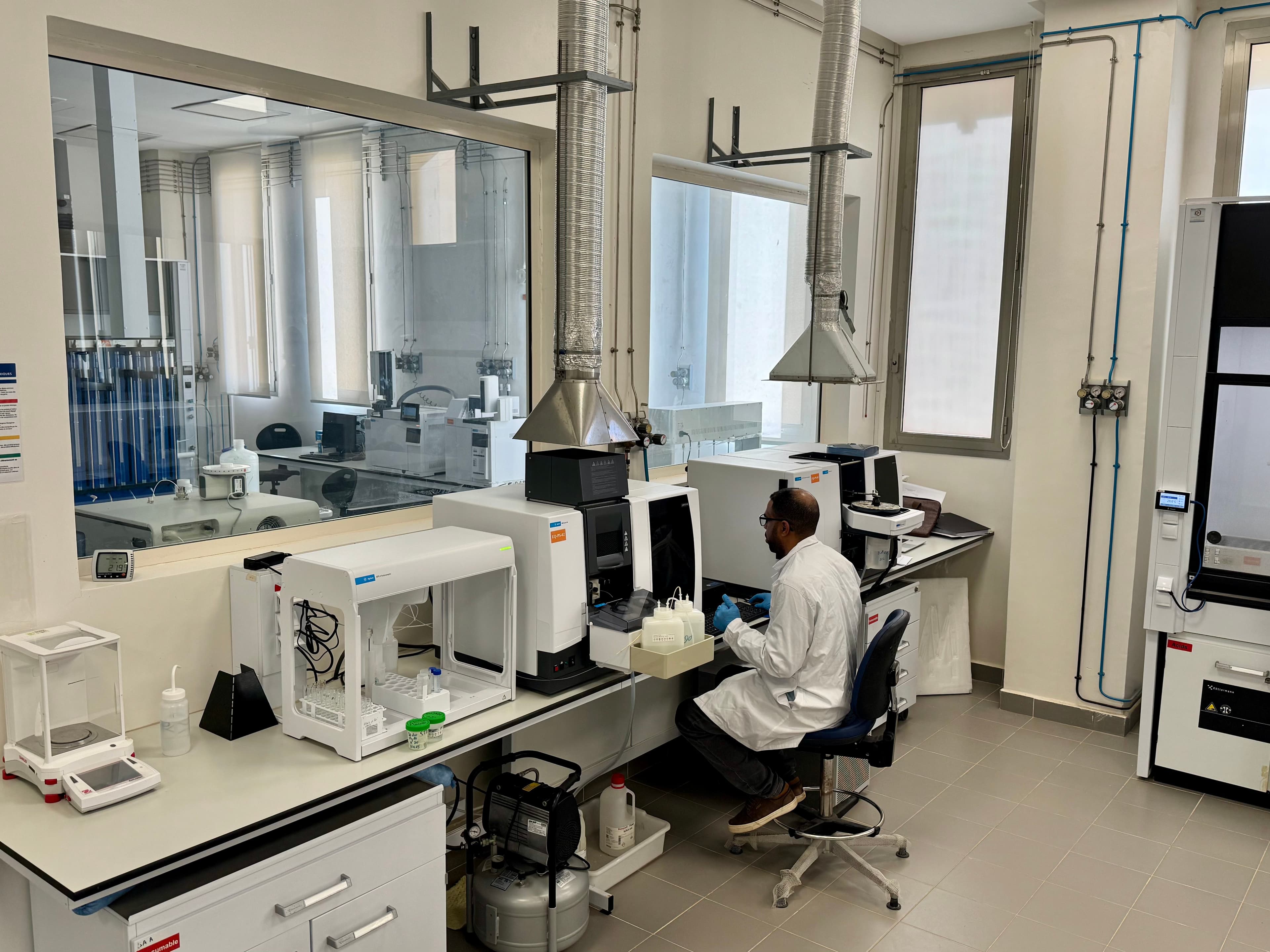
ANALYSIS & MOLECULAR CHARACTERIZATION
Our spectrometry laboratory specializes in the analysis of molecular and atomic structures using advanced spectroscopic techniques. From Liquid chromatography mass spectrometry to atomic absorption spectroscopy and infrared spectroscopy, we employ a range of methods to elucidate the composition, structure, and dynamics of molecules. Our research contributes to diverse fields such as chemistry, biochemistry, materials science, and environmental science, driving innovation and discovery. The lab also provides analytical services to our partners (industry stakeholders, farmers, cooperatives, etc.).
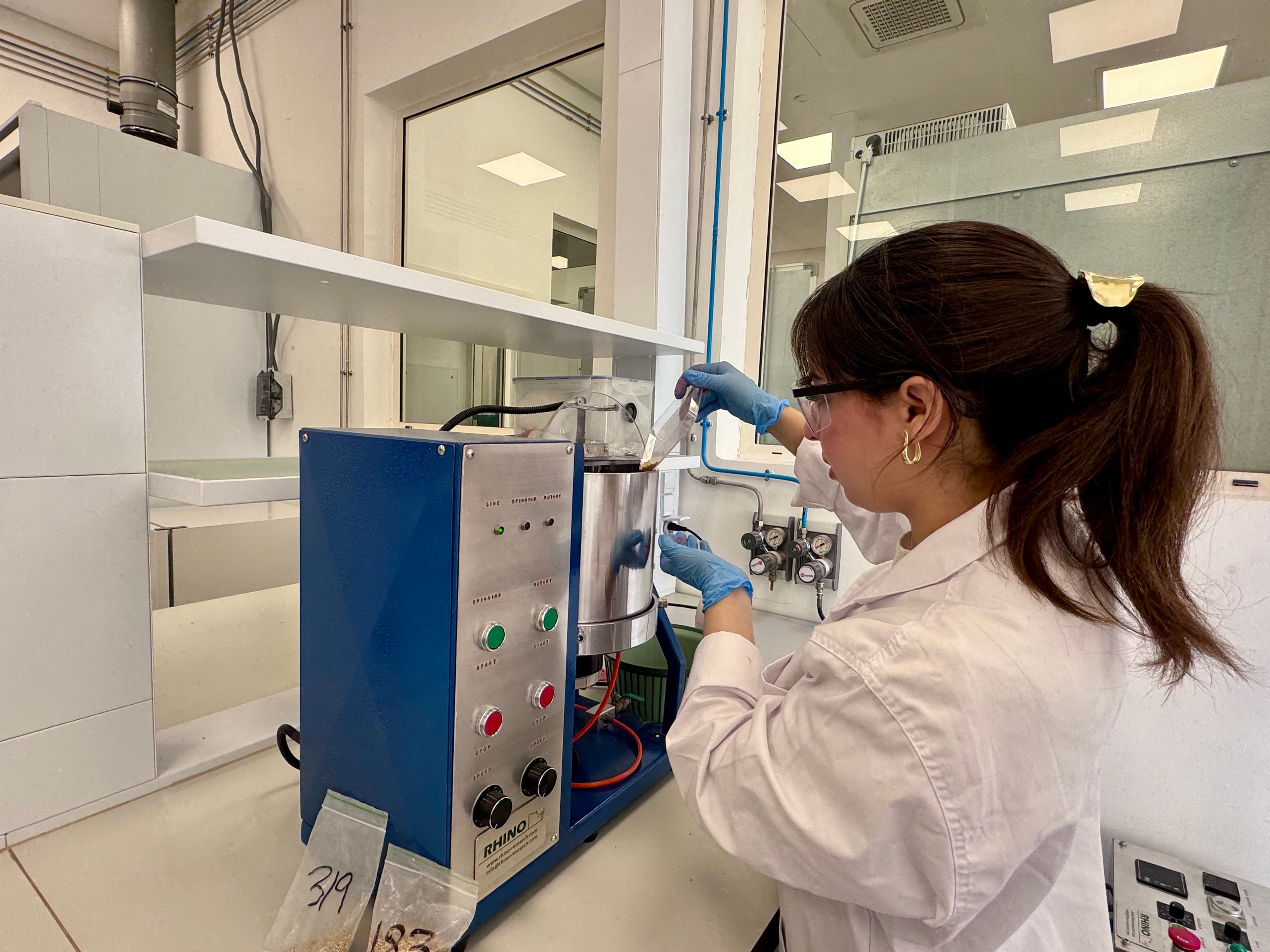
SEED QUALITY
Researchers at the Seed Quality Laboratory conduct both fundamental and strategic research on seed quality evaluation in accordance with ISTA standards. Their work places strong emphasis on maintaining seed quality throughout production and storage, while advancing seed enhancement technologies, particularly seed pelleting for high-value, small-seeded crops, to enable the effective delivery of high-quality seeds at sowing. The laboratory is equipped with state-of-the-art facilities to support research on seed viability, vigor, and dormancy. By integrating seed physiology, seed technology, and quantitative approaches, the laboratory aims to enhance seed performance, ensure reliable field establishment, and contribute to the development of resilient and sustainable seed systems in the region.
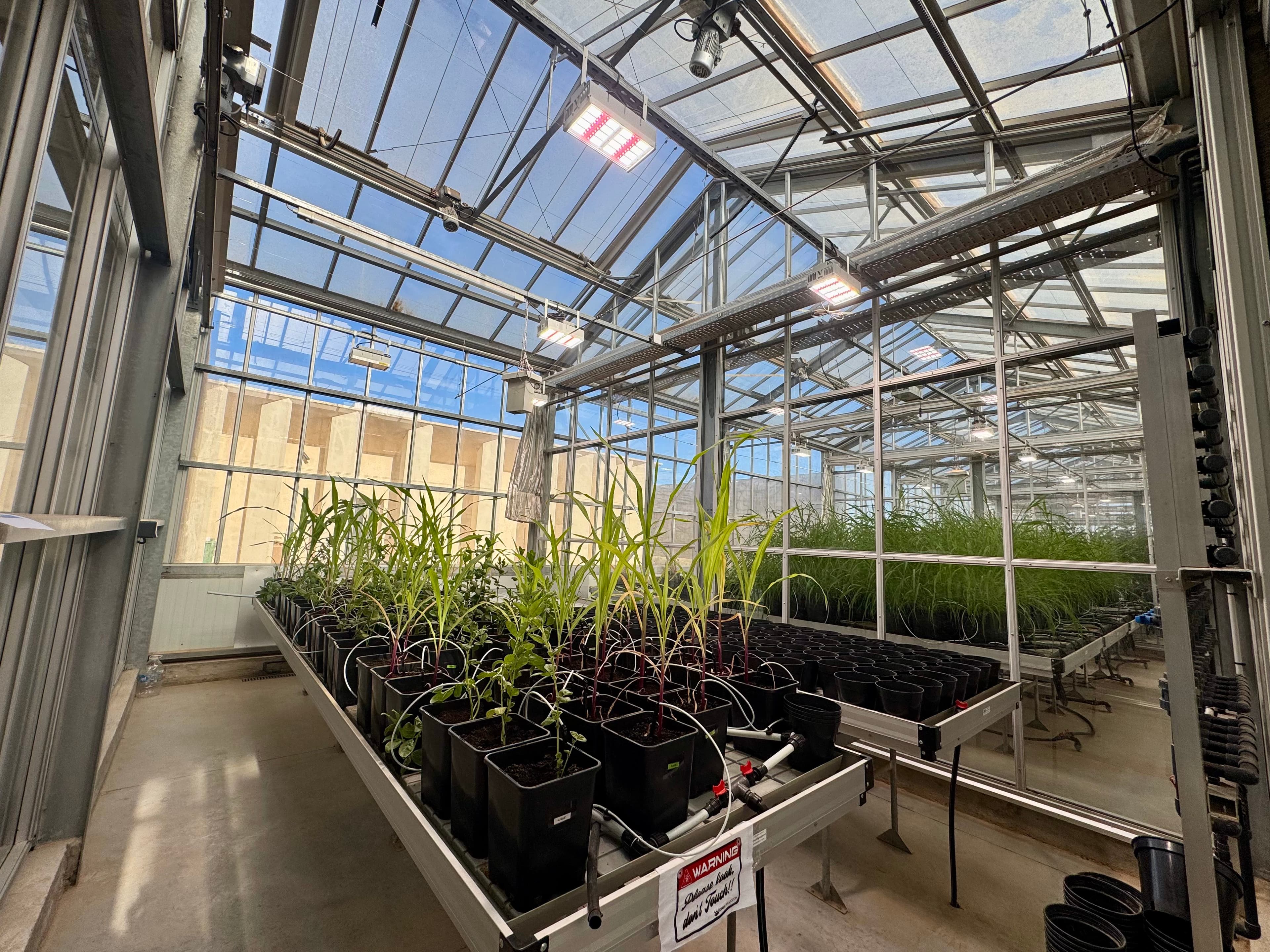
GREENHOUSE
The ASARI research greenhouse is a controlled-environment facility composed of nine independent zones allowing precise regulation of temperature, humidity, light, CO₂ (optional), and irrigation. Up to five nutrient solutions can be managed simultaneously, and climate data are continuously monitored and accessible in real time. The facility covers three 25 m² zones, four 50 m² zones, and two 100 m² zones, providing flexibility for experimental design. Current trials include native Moroccan desert species (Lavandula coronopifolia, Lavandula multifida, Crotalaria saharae) and key crops such as Blue Panicum, corn, wheat, grass pea, quinoa, and tomato, while previous tests on sorghum and faba bean have been completed. No comparable research infrastructure of this kind exists in Morocco. This state-of-the-art facility is also available to researchers and partners outside UM6P to test and assess their products and solutions.